State Authority to Ban Food Products
Proponents of banning cell-cultured protein highlight the unknowns of the technology and its impact of the market for conventional protein products. Those who oppose a ban argue it stifles consumer choice, interstate commerce, innovation, and establishes novel precedence for the state to ban politically unpopular goods.
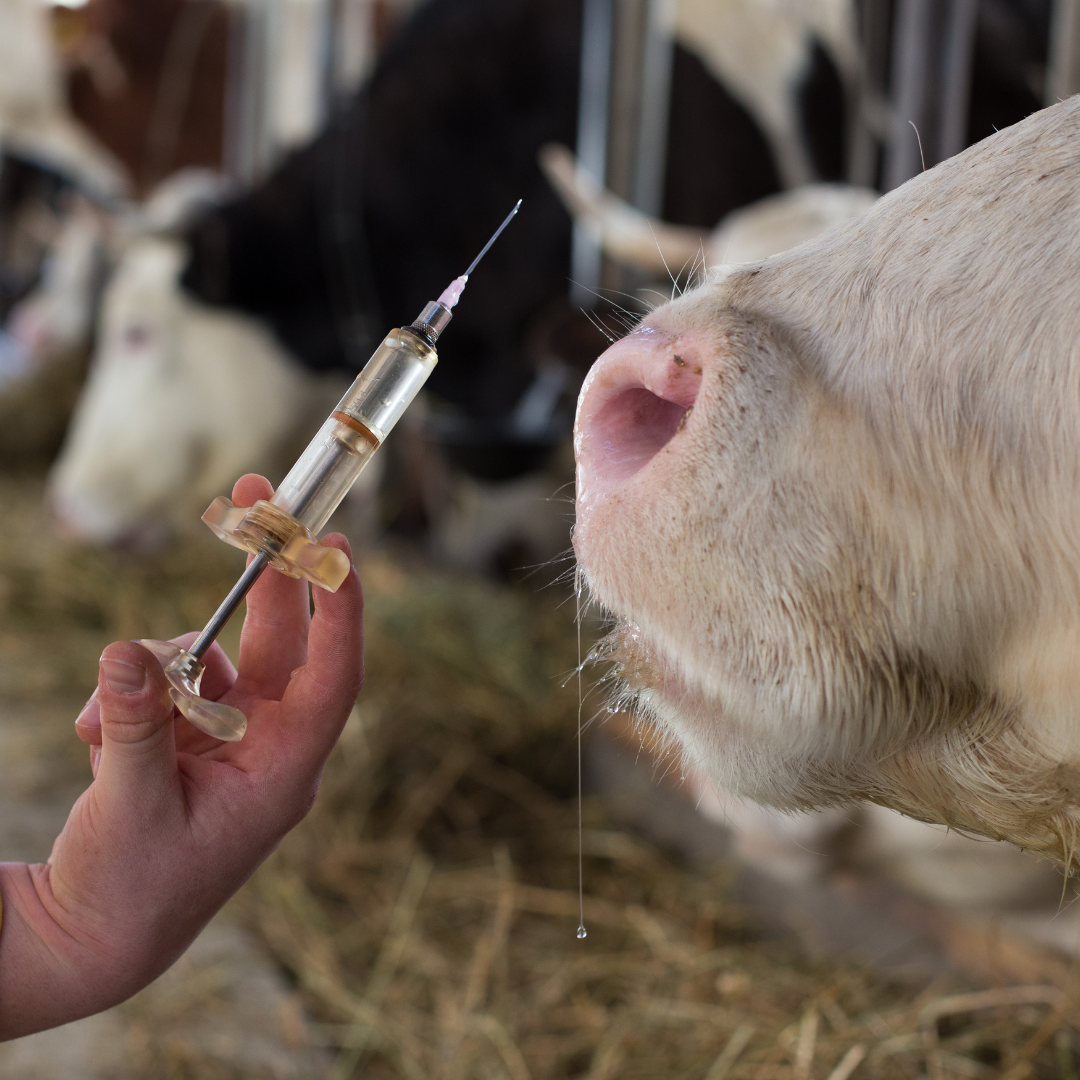
State Veterinarian’s Authority to Mandate Vaccines in Livestock
The State Veterinarian does not mandate vaccinations for routine health check-ups, such as black leg in cattle. There are currently no limitations or requirements on routine vaccinations in any form of livestock in Tennessee.

Establishing Veterinary-Patient Client Relationship through Telemedicine
A veterinarian-client-patient relationship (VCPR) is the basis of interactions between a veterinarian, clients, and their patients. This relationship is crucial in allowing the veterinarian to ensure their actions only enhance the life of the patient. Currently in Tennessee establishing a VCPR requires an in-person examination by a veterinary; however, there has been proposed legislation that would allow for a VCPR to be established through telehealth.
Re-Evaluating Property Reappraisal Cycles
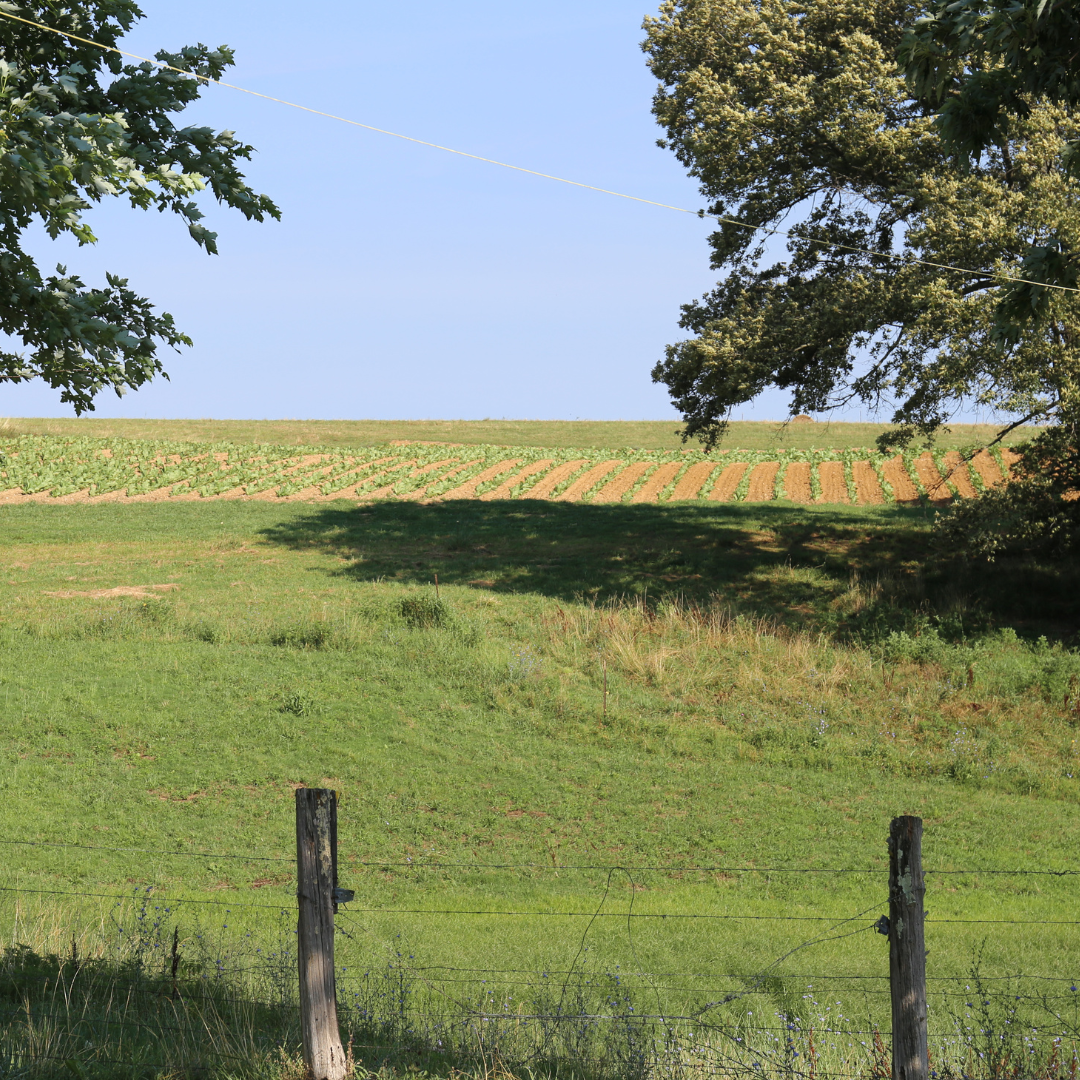
Currently, property is classified based on its use and statutory assessment percentages are applied to appraised values. Property appraisals are established during periodic reappraisal programs set by local governments using current real estate values on either a six-year, five-year, or four-year cycle.

Capping Local Property Tax Increases
Tennessee has become a hub for growth. Business development has led to residential expansion, and as a result families are moving into the Volunteer State at record speed. This leaves local governments looking for ways to balance the growth to their revenue base with providing necessary services to the thousands of residents as well.

Updating the Tennessee Wetlands Law
Members of the Tennessee General Assembly have decided it is time to make significant updates to the laws surrounding when and how the state can regulate the waters of the state; specifically, how much authority and regulations should the state have over the wetlands of Tennessee. This is no easy task as they must consider scientific nuances, property rights, environmental concerns, federal law, and court precedent.
Sustainable Aviation Fuel
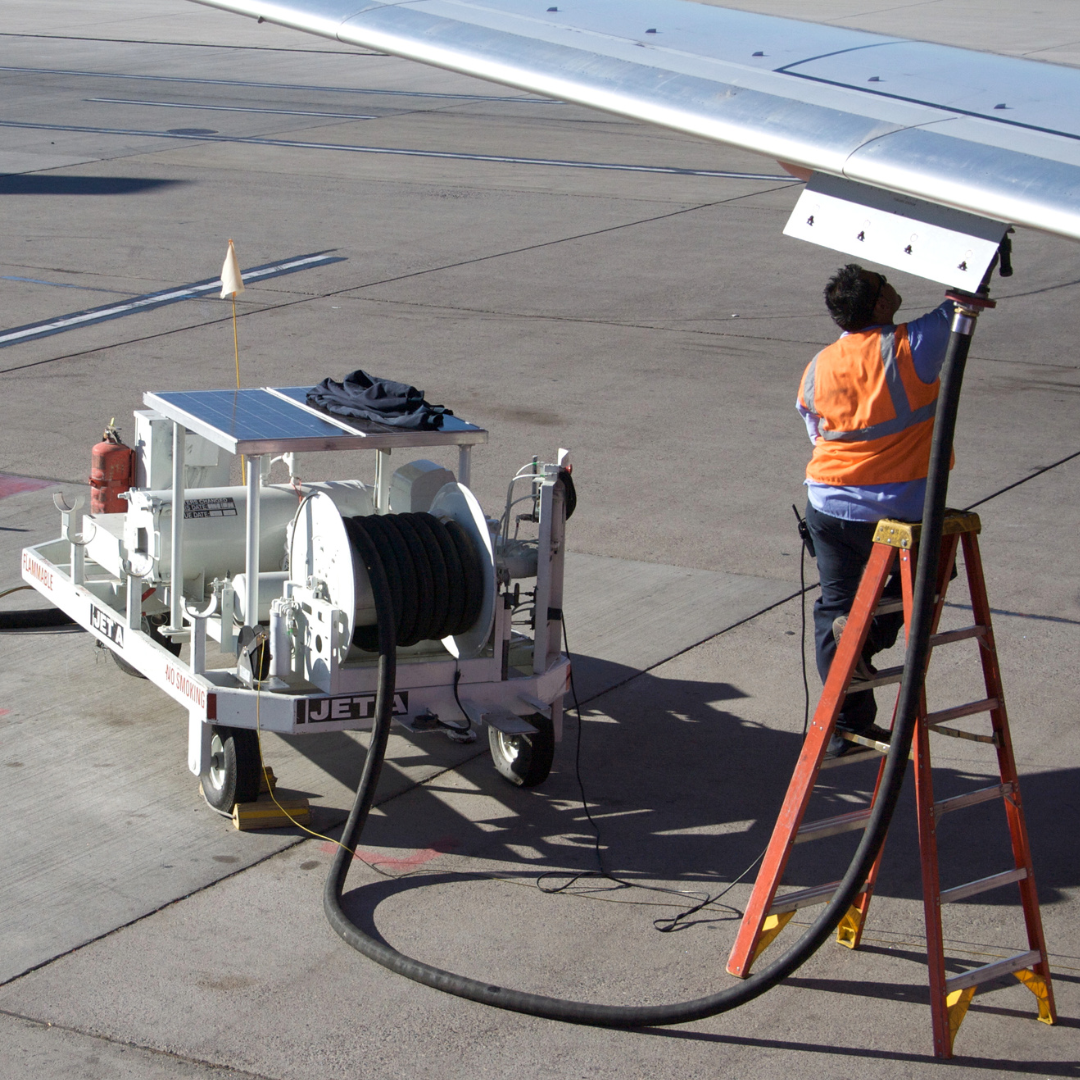
While there is market opportunity within SAF there are challenges that come with it. Under the current standing there is no guarantee that the biomass products will be from American sources. However, there are concerns that American grown corn will not meet the requirements to have a low enough carbon emission to be considered sustainable.
Utilizing Alternative Fertilizers
Following the sky-high fertilizer prices farmers have seen, it is hard to turn down an opportunity to cut costs while still carrying out the same goal. Unfortunately, consumers could be left wondering about the safety of biosolids being used as fertilizer as part of our food systems. However, biosolids are some of the most regulated fertilizers by the Environmental Protection Agency (EPA) where they go through treatment to be able to be used in agricultural production.
EPA’s Endangered Species Act Workplan Overview
TFBF, AFBF, and many other agricultural organizations provided comments to EPA, sharing concern with the impracticality and overreaching nature of EPA’s approach to protecting listed species and its impacts on production agriculture.

TN Soil and Water Conservation District Board Election Qualifications
Each SWCD has a 5-member board of local leaders, called supervisors, whose role is to work within their district to reduce soil erosion and improve water quality and partnering with farmer landowners to create conservation plans on their operations. Election and appointment for the 95 SWCD boards is governed by state statute in Title 43, Chapter 14 of Tennessee Code.

Soil and Water Conservation District Supervisor Vehicle Use
To provide technical assistance and implement programs on farms, the federal government provides vehicles for SWCD employees to use to visit farms in their district. For many years, these non-federal employees were allowed to use vehicles and the federal government would cover liabilities if these employees were involved in an accident while using the vehicle. However, a federal policy recently changed, still allowing non-federal employees to use these vehicles but no longer covering liability in the event of accidents or repairs.
Hemp in Tennessee: Where are We?
The Tennessee General Assembly passed Public Chapter 423 of 2023. This law requires TDA to take into account all forms of hemp-derived cannabinoids (HDCs) in the hemp plant. TDA was instructed by this law to right a series of rules. When TDA published their draft rules there was public push-back from the hemp industry saying the rules were too onerous. TFBF staff are seeking further guidance from members about how to proceed if there are continued policy discussions surrounding the hemp plant.