Pesticides, Failure to Warn Lawsuits and State Legislation
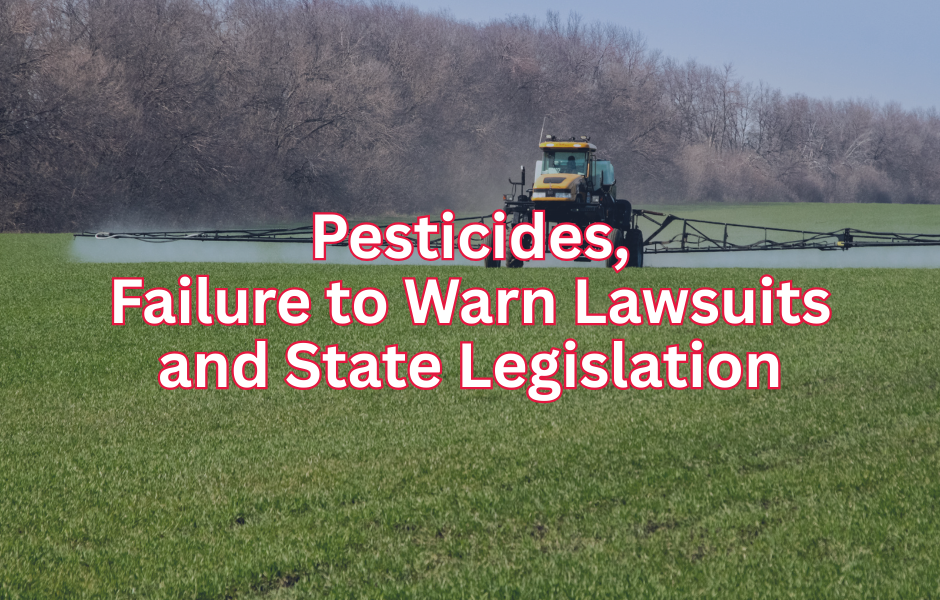
In recent years, there have been lawsuits against pesticide manufacturers which claimed the company failed to warn about the risks of using the product. Federal Circuit Courts of Appeal have split decisions about whether the federal law preempts failure to warn claims on pesticides following federal label requirements. The U.S. Supreme Court is in the process of determining whether the court will hear the issue. There is concern if this type of litigation continues to be successful, manufacturers will stop producing these products.
The MAHA Movement
In February 2025, President Donald Trump signed an Executive Order creating the Make America Healthy Again (MAHA) Commission. On May 22, 2025, the MAHA Commission released a report indicating potential drivers of chronic diseases in children – ultra-processed foods, chemicals in the environment, childhood behavior in the digital age, and overmedicalization. After the report was released, agricultural organizations from across the country quickly pointed out the lack of farmer representation and input.
State Legislation Regarding Food Additives
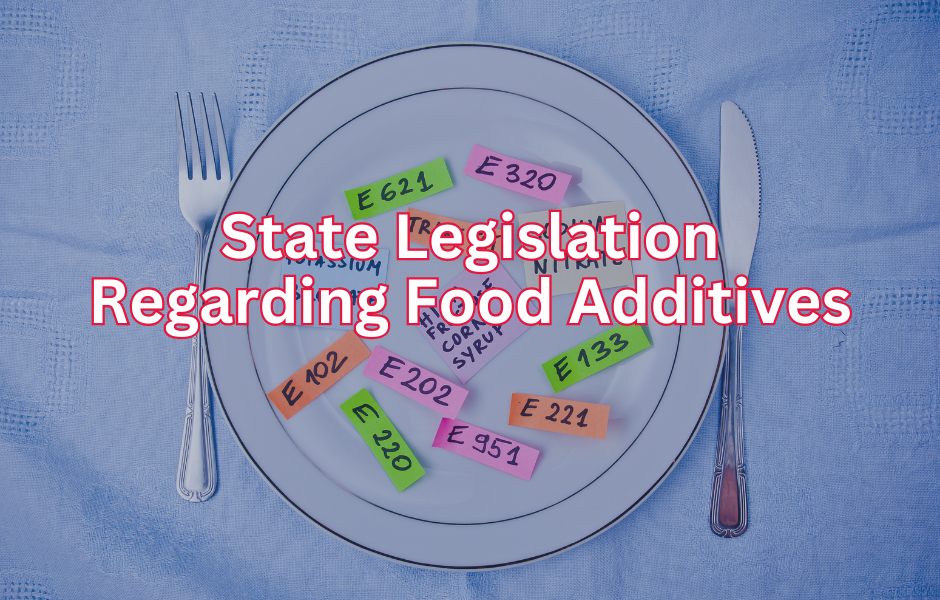
This year, the Tennessee General Assembly considered legislation which would limit or ban certain food additives in Tennessee. Other southern states, such as Texas and Louisiana, have also considered or passed similar legislation with much broader sweeping impact. Currently, the Food and Drug Administration (FDA) has regulatory oversight of the safety of ingredients added directly to food and substances which come into contact with food, such as those added to packaged materials, cookware or food storage containers.
State SNAP Waivers
Six states have passed legislation requesting waivers for certain items including candy, sodas, and other items to be removed from SNAP benefits; those have all been signed and approved by the U.S. Secretary of Agriculture Brooke Rollins. Tennessee had legislation put off to 2026 for SNAP waivers on candy and soft drinks. TFBF does not have policy on the issue. AFBF has policy in place supporting the removal of carbonated beverages that are non-fruit, vegetables, and dairy beverages.
Biosolid Application and Local Government Regulations
Biosolids are nutrient-rich organic materials resulting from the treatment of domestic sewage in a wastewater treatment facility. Biosolids application offers a unique opportunity for farmers to have access to fertilizer for a low cost, or even at no cost to the landowner. Utilizing biosolids does have potential risks. Local governments have sought the ability to regulate farm use of biosolids through legislation. TFBF policy opposes local governments gaining authority to regulate farm practices, including the application of biosolids.

Introducing Gene Editing Technology in Livestock
Porcine reproductive and respiratory syndrome (PRRS) was first reported in the U.S. in 1987. There are currently no effective treatments. In April 2025, Genus PIC, a Tennessee based company specializing in pork genetics and technology, received FDA approval for gene editing technology used in its PRRS-resistant pig. FDA approval does not automatically trigger commercialization. Critics of gene editing raise concerns about overpopulation as well as question the approval process, safety and effectiveness.

2026 Election: Constitutional Amendments
In the 113th and 114th General Assemblies, lawmakers passed an amendment to the Constitution which would prohibit Tennessee from collecting statewide property tax. The state hasn’t issued a state property tax since the 1940’s. This has no impact on local government’s ability to collect property tax. There are two other constitutional amendments which will also be on the 2026 gubernatorial ballot about victims’ rights and bail.
New World Screwworm in the U.S.
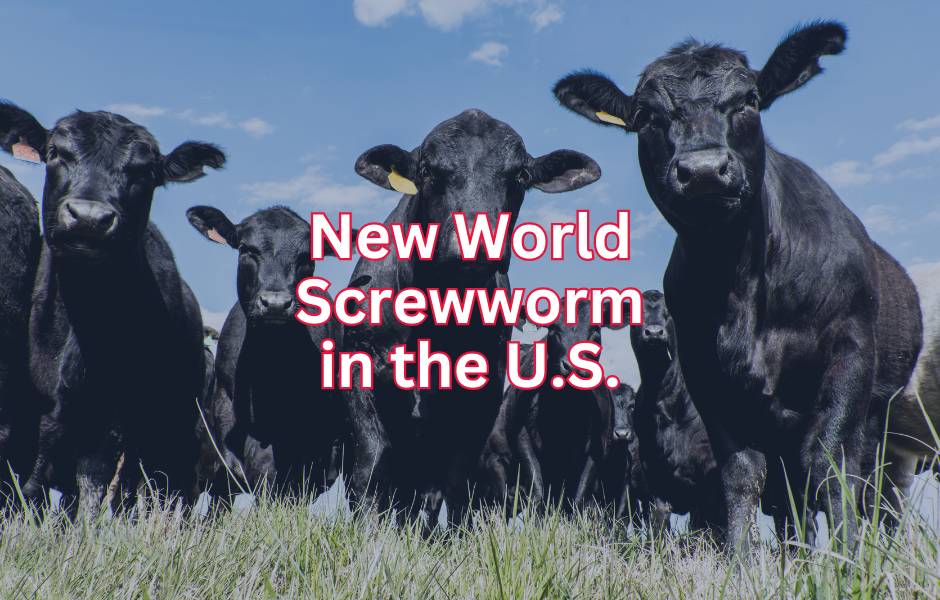
There is strong concern New World Screwworm (NWS) will spread into the U.S. and begin affecting the American cattle herd. In 2022, NWS reemerged in Panama and has been slowly making its way north since. In recent months, NWS has spread north of its endemic habitat into Mexico, and cattle are their most common host. Since November 2024, there have been over 1,400 detections of NWS in Mexico. In early May of 2025, NWS was detected less than 500 miles from the U.S./Mexico border.

Trade and Tariff Authority
Congress is currently considering legislation which seeks to reassert their constitutional authority over U.S. trade policy, specifically regarding the imposition of tariffs. American Farm Bureau Federation (AFBF) is seeking member input on policy related to trade and tariff authority. As a result, Tennessee Farm Bureau Federation (TFBF) is requesting review and guidance on state policy regarding trade and tariffs.

Cryptocurrency
Cryptocurrency markets have been described as the “Wild West” of currency: regulation is minimal and there are considerable risks associated with the asset. American Farm Bureau Federation (AFBF) is seeking feedback on policy related to the use of cryptocurrency and how and whether it should be regulated. There is currently debate over whether the Commodities Futures Trading Commission or the Securities Exchange Commission should regulate cryptocurrencies and how – whether as securities or commodities.