In late May, Tennessee Farm Bureau wrote comments to the Environmental Protection Agency is support of new pest control options for honeybees. Thanks to the comments and support from other groups, EPA is providing the new tool to protect honey bees, ensuring a safe and abundant food supply. Read more from EPA below.
“We acknowledge EPA’s recognition of the harm [Varroa mites] not only cause to honeybee colonies, but the larger threat to the entire agricultural industry and food supply,” writes TFBF President Eric Mayberry. “Beekeepers need every viable option to respond to pest pressures. The success of honeybees is crucial to farmers of all types.”
U.S. Environmental Protection Agency (EPA) is releasing a final registration decision for one technical and two end use products containing the new pesticide active ingredient Vadescana for control against Varroa mites (Varroa destructor) in honey bee hives. EPA prioritizes pesticide applications that target Varroa mites to provide beekeepers with a variety of tools to combat this pest—a contributor to colony collapse. The agency is committed to supporting the development of innovative products that give the agricultural community the tools they need to ensure our country has a safe and abundant food supply. EPA has a webpage with more information on Vadescana and other products to control Varroa mites.
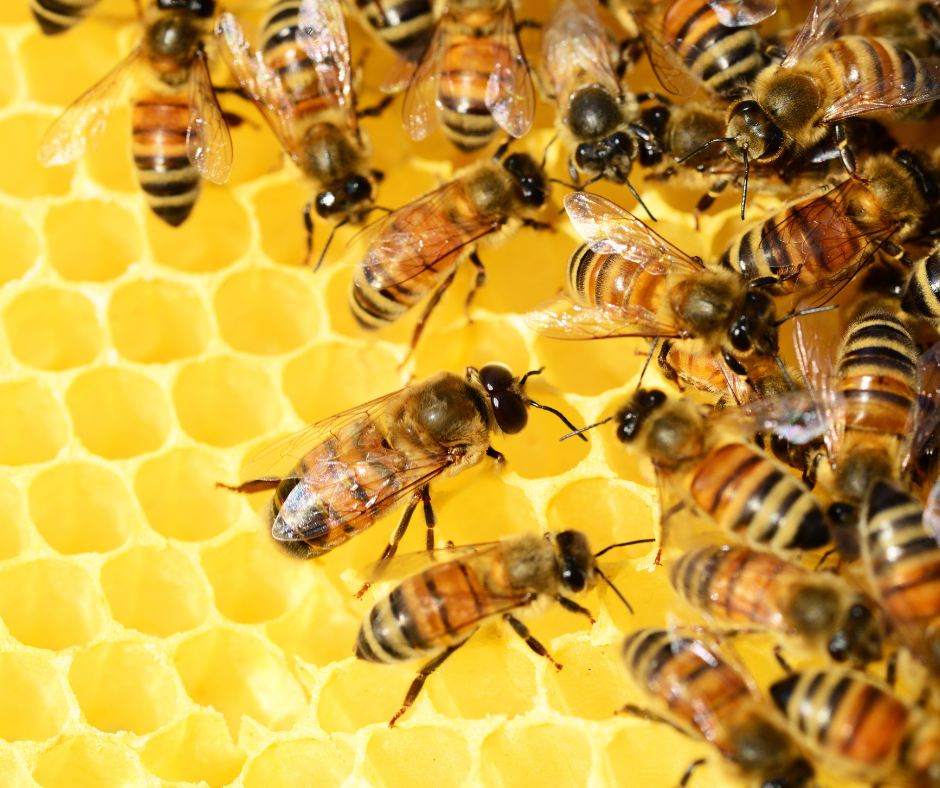
Honey bees are vital to our nation’s food supply and are responsible for pollinating about one-third of the food we eat. Varroa mites are parasites that feed on honey bees and transmit numerous honey bee viruses, both of which lead to reduced lifespan of bees. Once infested by Varroa mites, if left untreated, a honey bee colony will likely die. Varroa mites are a threat to bee colonies throughout the United States, growers with crops dependent on pollination services provided by bees, and ultimately to domestic food security.
Vadescana works through a mechanism called RNA interference (using double-stranded RNA, or dsRNA), which prevents the expression of a specific gene that the Varroa mite needs to survive. EPA’s webpage listed above provides more information about how this mechanism of action differs from the mRNA technologies used in some vaccines.
The effects of Vadescana are highly specific to Varroa mites. It does not affect humans or other non-target organisms, including bees and threatened or endangered species. These products provide a way to control Varroa mites and can aid combating resistance to pesticides for Varroa control. EPA proposed to register Vadescana in May 2025 and took public comment on its proposal. The agency has also established a permanent tolerance exemption for residues of Vadescana based on EPA’s determination that Vadescana does not pose a risk to human health.
To read more about the registration decision for these products and the agency’s response to comments, see docket ID EPA-HQ-OPP-2023-0558 at www.regulations.gov.