For all of the many problems of COVID-19 times, occasionally something good happens. For one reason or another, I’ve never been able to attend the American Farm Bureau Convention, but since it was virtual this year, I was able to tune-in right from my dining room table. As soon as I turned on the opening broadcast, I was greeted by none other than the voice of the Tennessee Farm Bureau, Lee Maddox, who was the co-emcee for the evening. The rest of us may never be as eloquent as Lee, but don’t let that stop you from telling your own story. Each of us has a role to play.
One of the main reasons most of us became members of Tennessee Farm Bureau was not only because the organization is the voice of agriculture, but because we can contribute to that voice. What do we do on our farms when we see problems or issues affecting them? Success does not dictate doing nothing. Instead, we reach out for advice, research options and solutions, make a plan, and act upon it. By being active members of the Tennessee Farm Bureau, we can apply that same methodology to tackling issues facing the rural and agricultural community within our own counties, as well as across the Volunteer state.
If tomorrow’s forecast is for freezing temperatures and blankets of snow, what would you do to prepare your farm? Obviously, you wouldn’t just throw another log on the fire and bury yourself beneath the covers. More hay for the cattle. Plug the heaters up on the tractors and any other actions you need to prepare. In the same way we react to that forecast, we should react to information about what is occurring in government and inaccurate accounts of agriculture from the neighborhood or on social media. We should take action.
Complacency, while hard to spell, is easy to achieve. The farm’s chore list and the family’s to-do list often cause us to let other things slide. We might even tell ourselves that we, individually, can’t make a difference in anything the politicians are debating or what family and friends think. If we remain silent, our thoughts and ideas will never be heard and our opportunities for success will be eroded as others choose against us out of greed, spite or ignorance.
The good book says in order to enter you have to knock or to receive you have to ask. This is also true in the realm of ideas about farming in that we have to speak if we want to be well-spoken about. How many people know how long it takes a calf to grow into a cow and the steps involved to get milk from her to your bowl of cereal, much less the regulations and safety steps involved? Who takes notes over the course of a year of the farmer that plants cover crops, takes soil samples and fertilizes to keep his fields healthy and grow a good stand of corn? Laws or regulations may make good sense in cities, but who will speak out if they have unintended consequences in rural areas?
If knowledge is power, then we are well-armed as members. Our local county meetings and those that span district and state levels, as well as the email or snail-mailed legislative alerts, keep us informed of news and opportunities to make a difference. From commodity-specific issues to those that impact us as farmers and Tennesseans, we get a bird’s eye view of what is taking place today as well as what is being discussed for the future.
Introduce yourself to your elected officials at every level of government. A little thanks for them may go a long way when you talk to them about an agriculture-related issue. Share your farm’s highs and lows with them, your friends and family. They may never know the joy you have and the work that goes into what you do if you don’t otherwise. If you’re brave, tell your story on social media, start a blog or tweet your congressman. Large or small, find your place and be a voice for agriculture.
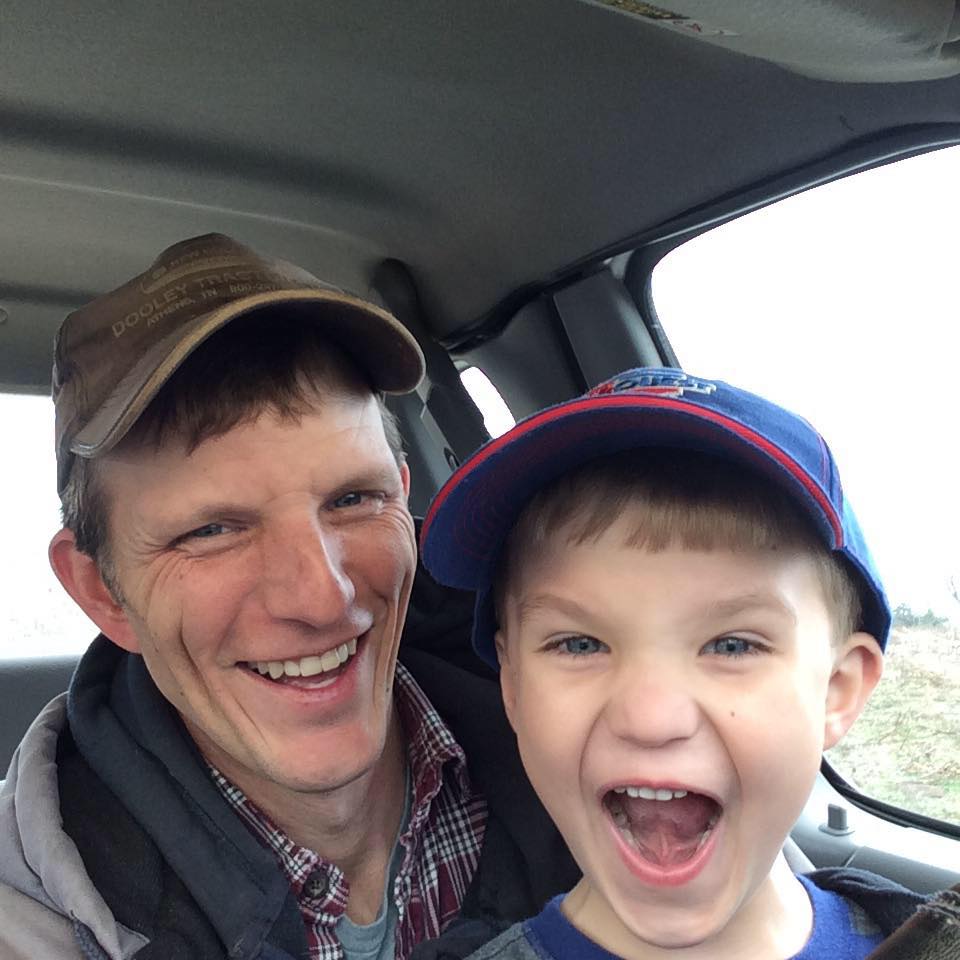
Written by: Ryan Bright, Loudon County
About Farmer Bright: A fifth generation farmer and a father of three busy children, serving on several boards of farm organizations and a county planning board.